The Owner-Occupied Investment Model: How I Bought 24 Rental Properties Without 20% Down Every Time
The Owner-Occupied Investment Model: How I Bought 24 Rental Properties Without 20% Down Every Time
If you want to start building a rental portfolio, the biggest obstacle usually isn't finding a good property. It's finding the cash for a 20 percent down payment on an investment loan, over and over again, every time you want to add another door. I've bought more than 24 rental properties over my career, and I didn't do it by saving up massive down payments each time. I did it with a model that lets you buy rental property without 20 percent down every time, a strategy most new investors have never had explained to them clearly.

What Is the Owner-Occupied Investment Model?
The owner-occupied investment model is a strategy where you buy a home to live in using owner-occupied financing, stay in it for a period of time, and then convert it into a rental once you move to your next home. You repeat that process home after home, and over years, it builds a portfolio without requiring investor-level down payments along the way.
Here's how it actually works in practice. You buy a home as your primary residence, which qualifies you for owner-occupied loan programs like conventional financing with 5 to 10 percent down, or even lower down payment options depending on the loan type. You live in that home for a period of time, often a couple of years, long enough to satisfy the lender's owner-occupancy requirements. Then, instead of selling when you're ready to move, you lease it out and buy your next home, again using owner-occupied financing.
Each time you repeat the cycle, you're adding a rental property to your portfolio without the burden of a traditional 20 percent investment down payment. You're also typically getting a better interest rate than you would on an investment property loan, since owner-occupied rates are almost always lower.
Why Does This Matter for Someone Just Starting Out?
For someone just starting out, the owner-occupied model matters because it removes the single biggest barrier to entry in real estate investing, the down payment. Most new investors hear that they need 20 percent down to buy a rental property and assume that means saving tens of thousands of dollars before they can even get started. That assumption stops a lot of people before they ever begin.
This model flips that. You're not trying to save up investor capital on top of your regular living expenses. You're buying the home you need to live in anyway, using financing designed for primary residences, and then making a decision later about whether to sell it or lease it out. The lower down payment also means a lower monthly payment while you're living there, which makes it easier to qualify and easier to manage your budget during the years you're building this portfolio one property at a time.
What Should You Check Before Turning a Home Into a Rental?
Before you convert any home into a rental, the first thing you should check is whether the numbers actually support it as an investment, not just as a place you enjoyed living in. This is where comps come in. I run comparable rental data for anyone considering this strategy before they even make an offer on a home, looking at what similar properties in that neighborhood are actually renting for, what the vacancy trends look like, and whether the projected rent will cover the mortgage, taxes, insurance, and a reasonable maintenance buffer.
A lot of new investors skip this step and assume that because a home works for them personally, it will work as a rental. That's not always true. Some neighborhoods have strong resale value but weak rental demand, and some loan terms don't leave enough room between your mortgage payment and realistic market rent. Running the comps before you buy, not after you've already moved out, is what keeps this model sustainable instead of turning into a property that drains your cash flow every month.
What Does This Look Like with a Real Property?
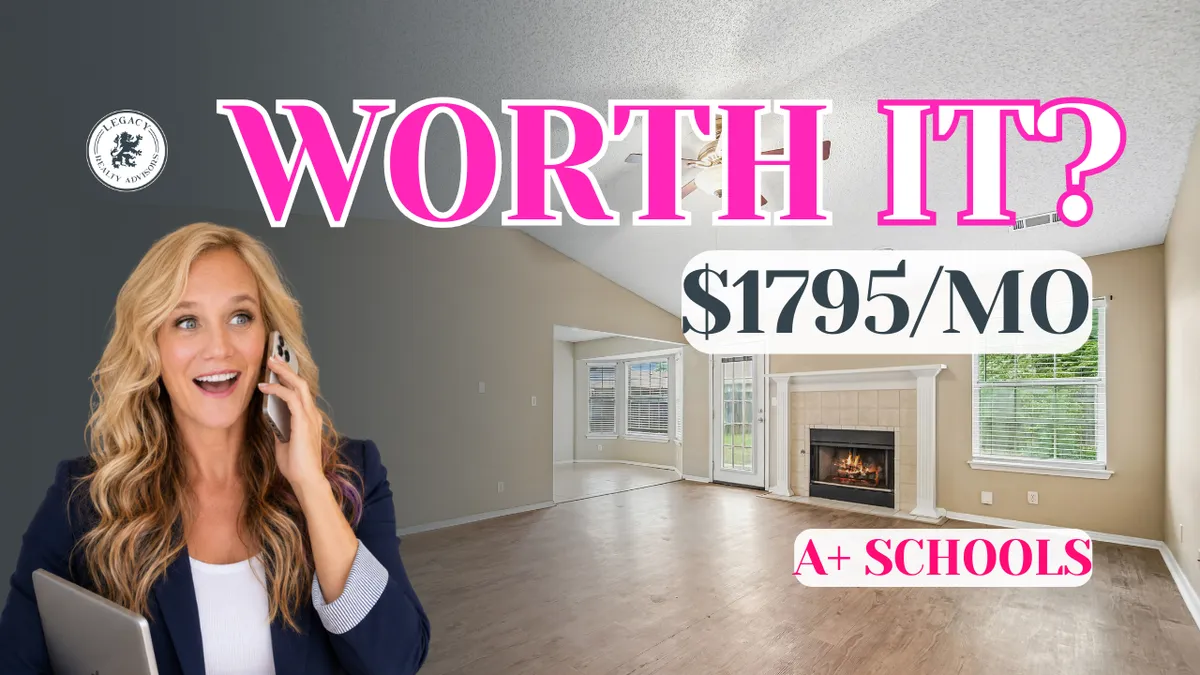
I recently put 8237 N 127th East Avenue in Owasso on the market for lease. This is a great example of the kind of property this model works well with. It's a 3 bedroom, 2 bath home built in 1993, sitting at 1,529 square feet in the Elm Creek Estates subdivision, zoned for Owasso schools with Mills Elementary and Owasso High School. It's currently listed to lease at $1,795 a month.
You can watch the full tour here:
A property like this is the kind of home a first-time buyer could purchase with owner-occupied financing, live in comfortably for a couple of years, and then convert into a rental once they're ready to move on to their next home. The layout, the school district, and the rental demand in Owasso all make it a reasonable candidate for this strategy, which is part of why Owasso rental property investing continues to draw first-time buyers looking for an affordable way in. As always, the comps would need to be run against current rental rates in that specific subdivision before anyone commits to that plan.
Where Should You Start If You Want to Try This?
If you want to try this model yourself, start with the home search, not the investment plan. Look for a home you'd genuinely want to live in for a couple of years, in a neighborhood with steady rental demand, and work with someone who can run the comps on that specific property before you make an offer. The strategy only works if the rent will actually support the mortgage once you move out, and that number is different for every home and every neighborhood.
I've used this model to build a portfolio of more than 24 rental properties over the course of my career, one home at a time. It's not a shortcut, and it's not something that happens overnight. But it is a realistic way to start investing in real estate without needing to come up with a 20 percent down payment every single time.
3-2-1 Takeaway
3 Things to Remember
Owner-occupied financing typically requires a much lower down payment than an investment property loan, and that difference can be the thing that actually gets a new investor started.
Living in a home for a period of time before converting it to a rental is what qualifies you for owner-occupied loan terms in the first place.
Running comps on rental rates before you buy is what determines whether a home will actually work as an investment, not just as a place to live.
2 Questions Worth Asking
If you bought your next home using owner-occupied financing, could the home you're in right now realistically cash flow as a rental?
Have you checked what homes in your target neighborhood are actually renting for before assuming a property will work as an investment?
1 Thing to Do Next If you're thinking about starting a rental portfolio using this model, reach out and let's run the comps together on a property you're considering before you make any decisions.
As my favorite mentor Brian Buffini says, Education without implementation is only entertainment. — Jennifer Mount, Legacy Realty Advisors
Subscribe to our YouTube channel so you can be the first to see what we are writing about: https://www.youtube.com/@JenniferMount
Book a time with me at Legacy Coaching Solutions if you are ready to take your dreams to the next level and make them a reality: https://link.cncsdirect.com/widget/booking/2BPftOW1aYttaxdttERz


