The Square Footage Mistake That Can Cost Broken Arrow Sellers Thousands
The Square Footage Mistake That Can Cost Broken Arrow Sellers Thousands
Last Monday I introduced you to 2022 W. Huntsville Court in Broken Arrow and the for sale by owner who listed her home at $550,000 before dropping $50,000 in a single phone call. If you missed that post, go back and read it first because this one builds directly on it.
Today we are talking about square footage. Specifically, we are talking about why the number a seller believes their home is and the number a buyer's agent, an appraiser, and the MLS actually use are often three completely different figures. And we are talking about what happens when those numbers do not match at the worst possible moment in a transaction.
At Huntsville Court, the seller believed her home was 2,900 square feet. She priced it accordingly. She marketed it accordingly. And when my VA appraiser pulled his tape measure and his comparable sales, he came up with something very different. That gap did not just affect the appraisal. It affected everything.
Where Sellers Get Their Square Footage and Why It Is Often Wrong
Why do so many Broken Arrow sellers have the wrong square footage?
Broken Arrow sellers most commonly pull their square footage from three sources, and all three can produce a number that does not match what the MLS or an appraiser will count.
The first source is the county assessor record. This number is often outdated, sometimes estimated, and rarely verified against current MLS standards. It is a tax record, not a measurement.
The second source is the builder's original floor plan or marketing brochure. This is exactly what happened at Huntsville Court. The builder's print showed 2,900 square feet. That number included the garage. It was the number the seller had in her head from the day she bought the home and the number she used when she decided what to list it for.
The third source is a previous MLS listing, either the one the seller bought from or a neighbor's listing they used as a reference point. Old MLS data can contain errors, and those errors get copied from listing to listing without anyone catching them.
The MLS-verified square footage at 2022 W. Huntsville Court is 2,260. That is a 640 square foot difference from what the seller believed. On a home priced at $550,000, that discrepancy changes everything about how a buyer and an appraiser evaluate the value.
The Rule Sellers Do Not Know About Garages
Can an attached garage be counted in a home's square footage?
No. An attached garage, regardless of whether it is finished, heated, or directly connected to the living space, cannot be included in a home's livable square footage for MLS or appraisal purposes.
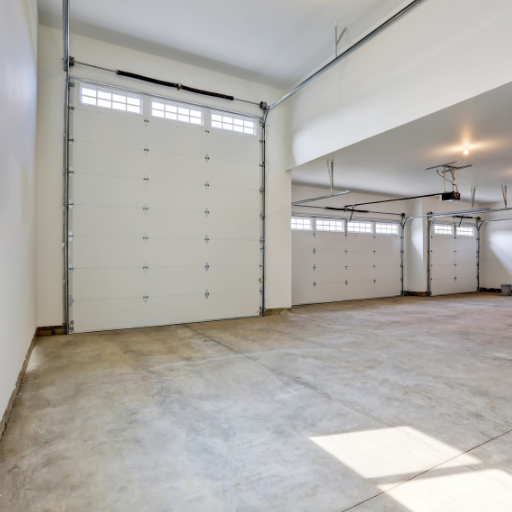
This is one of the most common square footage mistakes I see from sellers who are pricing their own homes. The garage feels like part of the house. You walk right into it from the kitchen. It is clean, it is finished, it has great lighting. In your daily life it functions as an extension of your living space.
Appraisers do not see it that way and neither does the MLS. Livable square footage is defined as heated, cooled, and finished space that is above grade and accessible from the interior of the home through standard living areas. A garage does not meet that definition regardless of how nice it is.
At Huntsville Court, the garage is a three-car attached garage measuring 670 square feet according to the property record. That is 670 square feet the seller included in her mental picture of the home's size and her pricing calculation. When the appraiser removed it, the home went from 2,900 square feet in the seller's mind to 2,260 square feet on paper. And every comp the appraiser pulled was suddenly pointing to a very different number than $550,000.
Why This Number Matters So Much to Buyers
How do buyers in Broken Arrow use square footage when they make an offer?
Buyers and their agents evaluate homes on a price per square foot basis, and when that number is inflated because the square footage is wrong, the offer either does not come or it comes in far below list price.
Here is how this works in practice. When my buyers and I are looking at homes in a specific neighborhood, one of the first things we calculate is the price per square foot relative to recent sales in that area. It gives us an immediate read on whether a home is priced at, above, or below the market.
At $550,000 and 2,900 square feet, Huntsville Court was priced at approximately $190 per square foot. That number might have been defensible depending on the neighborhood comparables. At $550,000 and 2,260 square feet, the actual price per square foot was approximately $243. That is a very different conversation and a much harder number to support with comparable sales in Broken Arrow.
Buyers are not doing this math to be difficult. They are doing it because their lender, their appraiser, and their own financial common sense require it. When the square footage is inflated, the price per square foot looks artificially reasonable until someone checks the actual number. Then the whole pricing structure unravels.
This is exactly what happened at Huntsville Court. And it is exactly what led to the appraisal problem that almost killed the deal. We will cover that in full detail next Monday.
The $150 Solution That Eliminates All of This
Here is the part I want every seller in Broken Arrow and Tulsa to hear before they do anything else.
Before you decide on a list price. Before you call a photographer. Before you put a sign in the yard or post anything online. Get your home measured by a licensed appraiser.
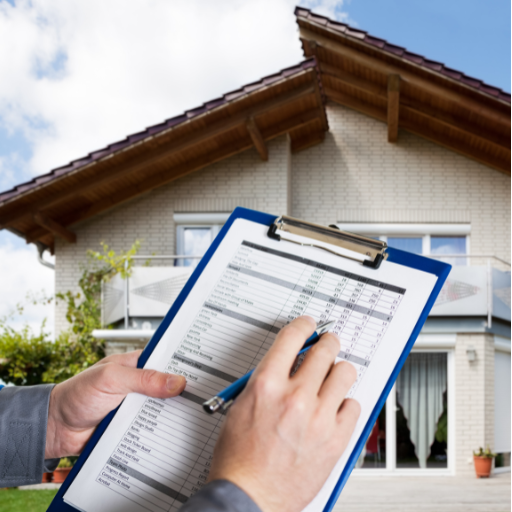
I have a trusted appraiser I refer my clients to named Lee Ann Nelson. She will come to your home and measure it for $150. That is it. One hundred and fifty dollars to know with absolute certainty what your MLS square footage is before your list price is built on a number that could collapse under you at the worst possible moment.
This single step eliminates the guesswork. It eliminates the awkward conversation when the MLS number does not match what you told buyers. It eliminates the appraisal gap that comes from a price per square foot calculation built on inflated square footage. And it gives you a defensible, verified number to hand to your listing agent before the first comparable sale is pulled.
Most sellers skip this step because they think they already know the number. The seller at Huntsville Court thought she knew. She was 640 square feet off and it nearly cost her the entire transaction.
You can reach Lee Ann Nelson directly at https://www.facebook.com/lee.loeffelholz to schedule your pre-listing measurement.
How a Correct Square Footage Changes Your Entire Pricing Strategy
How does verified square footage affect a seller's list price in Tulsa and Broken Arrow?
Verified square footage gives your listing agent the accurate foundation needed to build a defensible comparative market analysis, which is the document that determines what your home should actually be listed for.
A comparative market analysis works by finding homes similar to yours that have sold recently in your area and calculating what buyers paid per square foot for those homes. Your agent then applies that price per square foot to your home's actual square footage to arrive at a supportable list price range.
If your square footage is wrong, the entire analysis is built on a false foundation. You may price too high, sit on the market, and end up reducing. Or you may price too low and leave real money behind. Neither outcome serves you.
The correct sequence is this. Get your home measured first. Bring that verified number to your listing agent. Let your agent build the market analysis on accurate data. Then price with confidence knowing that the number you are going to market with is the same number an appraiser is going to arrive at independently when your buyer's lender orders the appraisal.
That alignment between your list price and your appraised value is what gets deals to the closing table. The gap between them is what kills deals. At Huntsville Court we had a significant gap and it took more than an hour of appraisal research and a formal dispute to close it. Next Monday I am going to walk you through exactly how that dispute worked and what it means for sellers whose deals face the same problem.
If you are thinking about listing your Broken Arrow or Tulsa area home and you want to start with the right foundation, book a strategy conversation with me at https://link.cncsdirect.com/widget/booking/2BPftOW1aYttaxdttERz. We will talk through your square footage, your pricing position, and what it would take to get your home market-ready before the first buyer walks through the door.
Book a time with me at Legacy Coaching Solutions if you are ready to take your dreams to the next level and make them a reality.
Subscribe to our YouTube channel so you can be the first to see what we are writing about: https://www.youtube.com/@JenniferMount

FAQ: What Tulsa and Broken Arrow Sellers Ask About Square Footage
Does finished basement square footage count toward a home's total square footage?
Below-grade finished space, including finished basements, is typically counted separately from above-grade livable square footage and cannot be combined into the main square footage figure for MLS or appraisal purposes.
This is another area where seller assumptions frequently differ from MLS and appraisal standards. A finished basement adds real value to a home and should absolutely be disclosed and marketed. But it is listed as a separate figure, not folded into the primary square footage number. When a seller combines above-grade and below-grade space into a single number, the price per square foot calculation becomes misleading and the appraisal almost always reflects the discrepancy.
What if the county assessor record shows a different square footage than the MLS?
County assessor records and MLS square footage are calculated using different standards and often produce different numbers, and the MLS figure is the one that matters most for pricing and appraisal purposes.
Assessor records are maintained for tax purposes, not real estate transactions. They are updated infrequently, sometimes estimated rather than measured, and do not always follow the same measurement standards that licensed appraisers and the MLS use. When the two numbers conflict, always defer to a current measurement by a licensed appraiser. That is the number that will hold up when your deal goes to underwriting.
How much does an incorrect square footage actually affect my sale price?
In the Broken Arrow and Tulsa markets, a square footage error of several hundred feet can shift the apparent price per square foot by $30 to $50 or more, which directly affects both buyer offers and the appraised value.
At Huntsville Court the difference between 2,900 and 2,260 square feet changed the price per square foot calculation by more than $50 at the original list price. That is not a rounding error. That is the difference between a home that looks reasonably priced and one that looks significantly overpriced the moment a buyer or appraiser does the math. A $150 pre-listing measurement with Lee Ann Nelson at https://www.facebook.com/lee.loeffelholz eliminates that risk entirely before it becomes your problem.
3-2-1 Takeaway
3 Things to Remember
Garages, regardless of size or finish level, cannot be included in a home's livable square footage for MLS or appraisal purposes. If your square footage number came from a builder's floor plan, it may include spaces that do not count.
Buyers and their agents evaluate homes on price per square foot. When that number is built on inflated square footage, the offer either does not come or the appraisal exposes the problem after the contract is signed.
A pre-listing appraisal measurement costs $150 and eliminates the single most common pricing error I see from sellers in Broken Arrow and Tulsa. It is the most underused tool in a seller's preparation process.
2 Questions Worth Asking
Do you know with certainty where your home's square footage figure came from and whether it matches what an appraiser would measure today?
If your home went under contract tomorrow and the appraiser came in $50,000 short because the price per square foot was built on the wrong number, would you know how to respond?
1 Thing to Do Next
Before you price your home, get it measured. Reach out to Lee Ann Nelson at https://www.facebook.com/lee.loeffelholz to schedule a pre-listing measurement for $150. Then book a strategy conversation with me so we can build your pricing around a number that will hold up through appraisal and get your transaction to the closing table. Schedule at https://link.cncsdirect.com/widget/booking/2BPftOW1aYttaxdttERz.
As my favorite mentor Brian Buffini says, Education without implementation is only entertainment. — Jennifer Mount, Legacy Realty Advisors
This post is intended for informational purposes only and does not constitute legal or financial advice. MLS data sourced from MLS Technology INC. All figures are approximate. Please consult with a licensed real estate professional before making any decisions related to buying or selling property


